In the southeastern corner of Sri Lanka, where the dry plains meet the rugged coastline of the Indian Ocean, lies Yala National Park. Spanning over 978 square kilometers, it is the island's most famous wildlife sanctuary and a true testament to the raw, untamed beauty of the tropical wilderness.
Yala is a mosaic of ecosystems—from dense thorny scrub and dry monsoon forests to sparkling lagoons and golden beaches. It is a place where nature reigns supreme, offering one of the best opportunities in the world to witness the majestic Sri Lankan Leopard in its natural habitat.
The Throne of the Leopard
Yala Block 1 is renowned for having one of the highest leopard densities in the world. The Sri Lankan Leopard (Panthera pardus kotiya) is the apex predator of the park, often seen lounging on ancient granite boulders or prowling through the tall grass in the golden light of dawn.
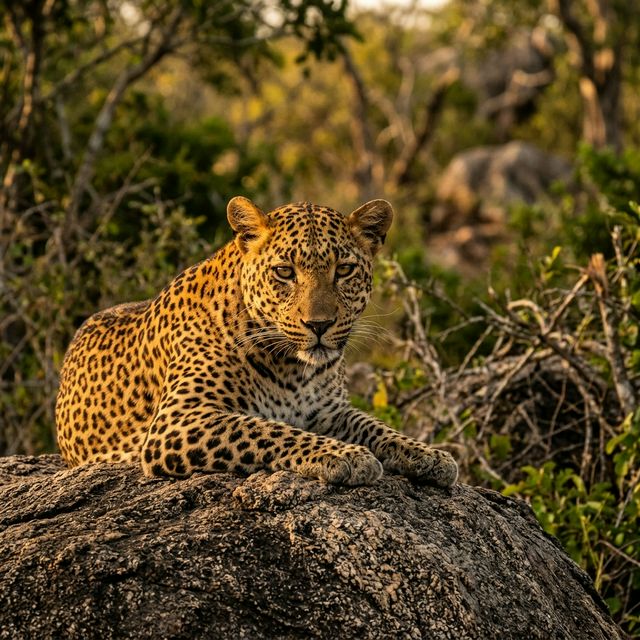
Encountering these elusive cats is a heart-pounding experience. Their spotted coats provided perfect camouflage against the speckled shadows of the scrubland, making every safari a thrilling game of hide-and-seek with the 'Spotted King' of the jungle.
A Parade of Giants
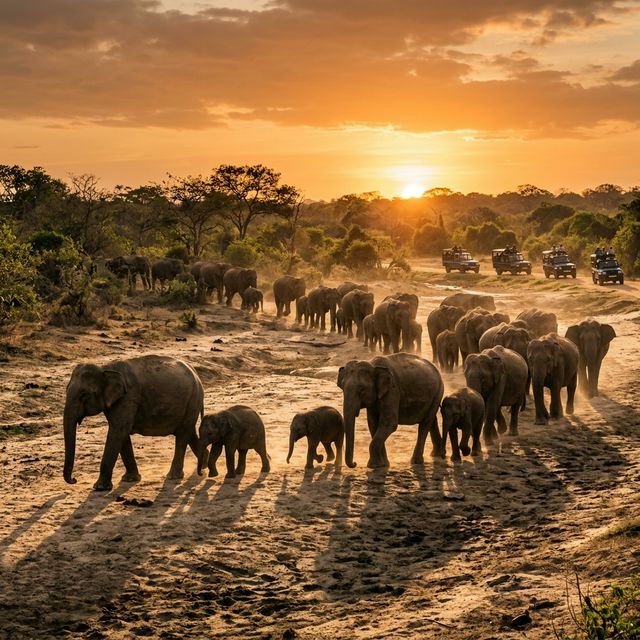
While the leopard is the star, Yala is also home to a significant population of Sri Lankan Elephants. These gentle giants are often spotted in large herds, bathing in the park's numerous waterholes or crossing the dusty trails with their playful calves in tow.
The park is a birdwatcher's paradise as well, boasting over 200 species of birds, including the vibrant painted stork, the majestic crested serpent eagle, and the flamboyant Sri Lankan junglefowl—the national bird of the island.
The Safari Experience
The best way to experience Yala is through a rugged 4x4 safari. As the morning mist lifts, the sound of the diesel engine is joined by the chorus of the wild—the alarm calls of spotted deer, the trumpeting of elephants, and the rhythmic cawing of peacocks.

Beyond the wildlife, Yala holds secrets of an ancient civilization. The ruins of Sithulpawwa, an ancient Buddhist monastery dating back 2,000 years, and the Magul Maha Viharaya ruins offer a glimpse into a time when humans lived in sacred harmony with these wild spaces.
Preserving the Wild
Yala is not just a destination; it is a vital conservation area. Our commitment to responsible tourism ensures that your visit supports the protection of these habitats and the welfare of the animals. Whether you are witnessing a sloth bear foraging for termites or watching a crocodile sunbathe by the lagoon, Yala leaves an indelible mark on every soul that ventures into its heart.